
Take Charge of Your Real Estate Destiny: How to Minimize Risks with Informed Decisions

March 10, 2024

In the journey of acquiring your first house or investment property, the stakes are incredibly high. This isn't just another purchase; it's likely the most substantial financial commitment you will make in your lifetime, dwarfing even the cost of your car and other significant expenses. Yet, paradoxically, when navigating through this complex process, we often place our trust entirely in the hands of others: real estate agents, mortgage brokers, inspectors, appraisers, among others. While these professionals play essential roles, there's an underlying truth we must confront – the importance of taking an active, informed role in our own real estate ventures.


As a professional woman who has built a $5 million real estate portfolio in Washington, D.C., I've learned the immense value of education and self-empowerment in the real estate acquisition process. My journey wasn't just about leveraging the expertise of others but also about arming myself with knowledge, ensuring I could navigate the myriad challenges and opportunities that come with property investment.


The advent of the internet has revolutionized how we access information, offering an unprecedented opportunity to self-educate and pace our learning. The wealth of resources available online means that we can, and should, deepen our understanding of the real estate market, the complexities of mortgages, the nuances of property inspection, and the intricacies of property valuation. By doing so, we're not just passive participants in our real estate journey; we become active, informed collaborators who can ask poignant questions, critically evaluate the advice of professionals and make decisions with a greater sense of confidence and clarity.


Here are some resources that blend the depth of knowledge with practical insights, including contributions from notable women experts in the field:


  • BiggerPockets: A comprehensive platform for real estate education and networking. It offers a wide range of articles, podcasts, and forums where you can learn everything from real estate investment strategies to property management. Notably, the BiggerPockets Podcast frequently features successful women investors who share their experiences and insights.
  • This Old House: An invaluable resource for anyone interested in the renovation aspect of their investment property. Their detailed guides and how-to videos on home improvement, repair, and renovation can help you better understand the potential costs and challenges associated with property updates.
  • Matt Risinger: On the YouTube channel "The Build Show," Matt Risinger covers high-performance building and construction techniques. His insights into building science can be crucial for understanding the quality and sustainability of potential investment properties.


Taking this proactive approach to learning doesn't diminish the value of real estate professionals. Instead, it enhances our interactions with them. When we're informed, we can communicate more effectively, set clearer expectations, and better assess the quality of the services we receive. This collaborative partnership with our team members enables us to navigate the ups and downs of the real estate acquisition process with our eyes wide open, minimizing risks and maximizing opportunities.


Embarking on this journey with a foundation of knowledge and self-awareness equips us to manage the complexities of real estate investment more adeptly. It instills in us a sense of confidence, ensuring that we're not merely spectators in the process but active, engaged participants. This approach not only safeguards our interests but also empowers us to build a more secure and prosperous future.


Reflecting on my own path to building a significant real estate portfolio, I can attest to the transformative power of knowledge and self-education. The decisions we make today, informed by a deep understanding of real estate investment, lay the groundwork for our future success. By embracing the responsibility to educate ourselves, we not only navigate the acquisition process more effectively but also set the stage for a legacy of informed, strategic investment.


In the realm of real estate, knowledge truly is power. As we undertake the journey of acquiring property, let us commit to being lifelong learners, harnessing the wealth of information at our fingertips to make informed decisions. Our future selves will indeed thank us for it, as we look back on a path marked by empowerment, success, and the wisdom to know that in the world of real estate, the best investment we can make is in ourselves.
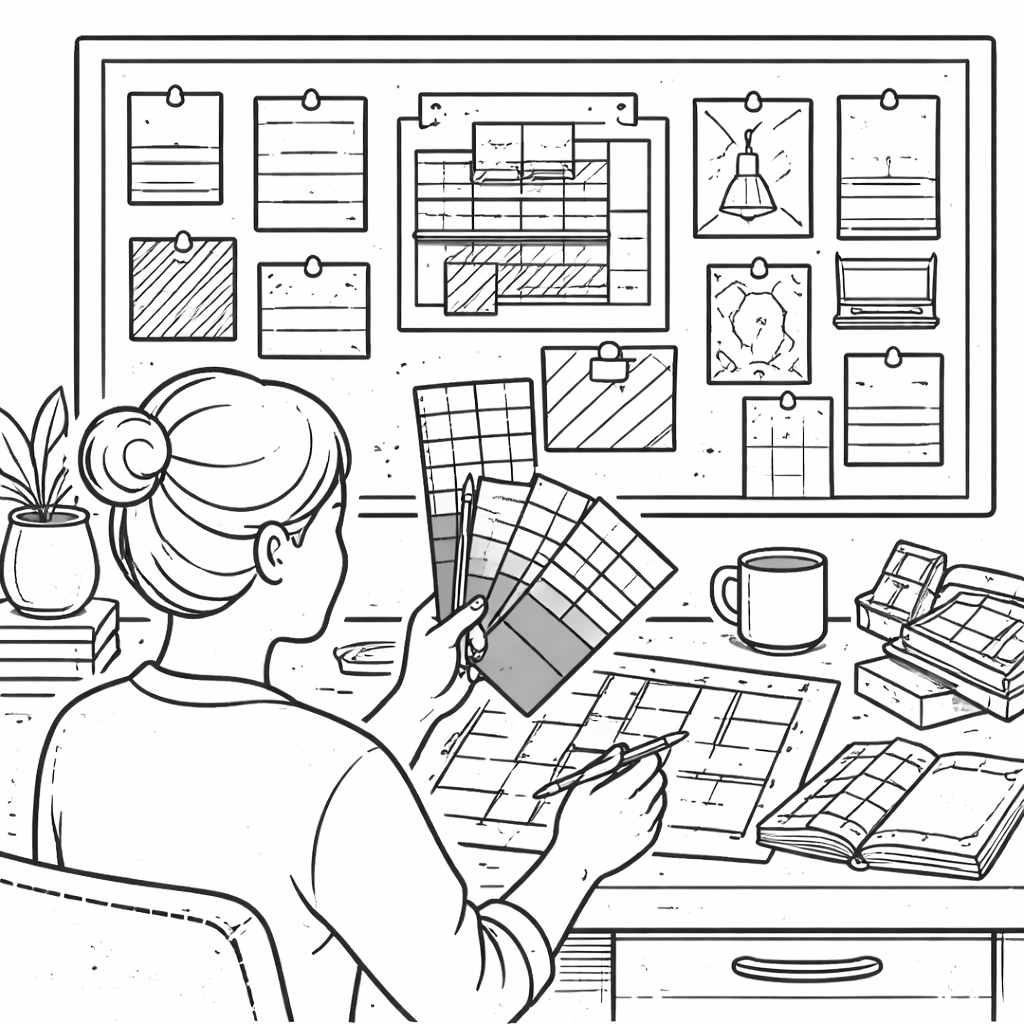
Black and white line art of a homeowner reviewing design choices while focusing on the structural el
December 10, 2025
Trendy finishes fade, but strong structure lasts. Learn what truly matters when buying or renovating a home built to stand for 50+ years.
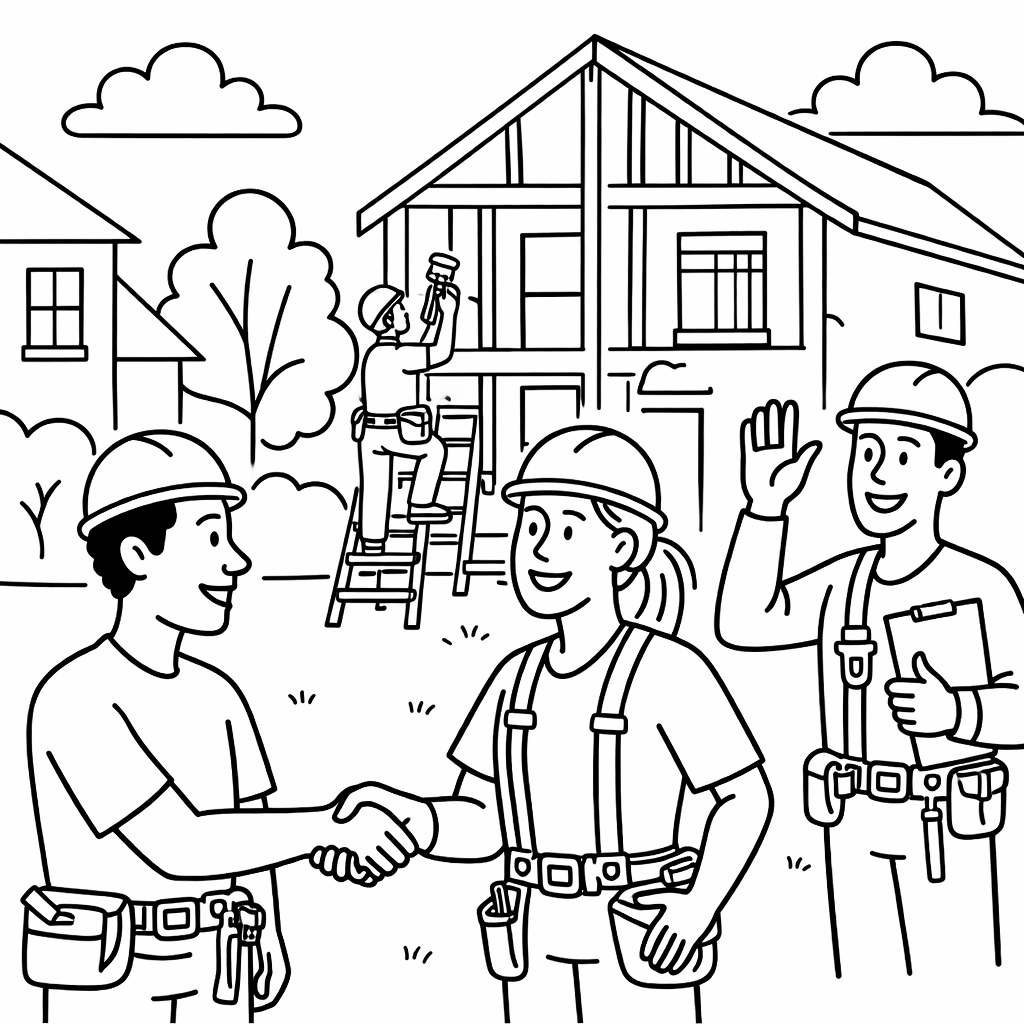
Black and white line illustration of contractors and homeowners working together on a home renovatio
December 3, 2025
Great renovations start with respect. Learn how to work with contractors as partners to get better results, stronger homes, and lasting value.
November 24, 2025
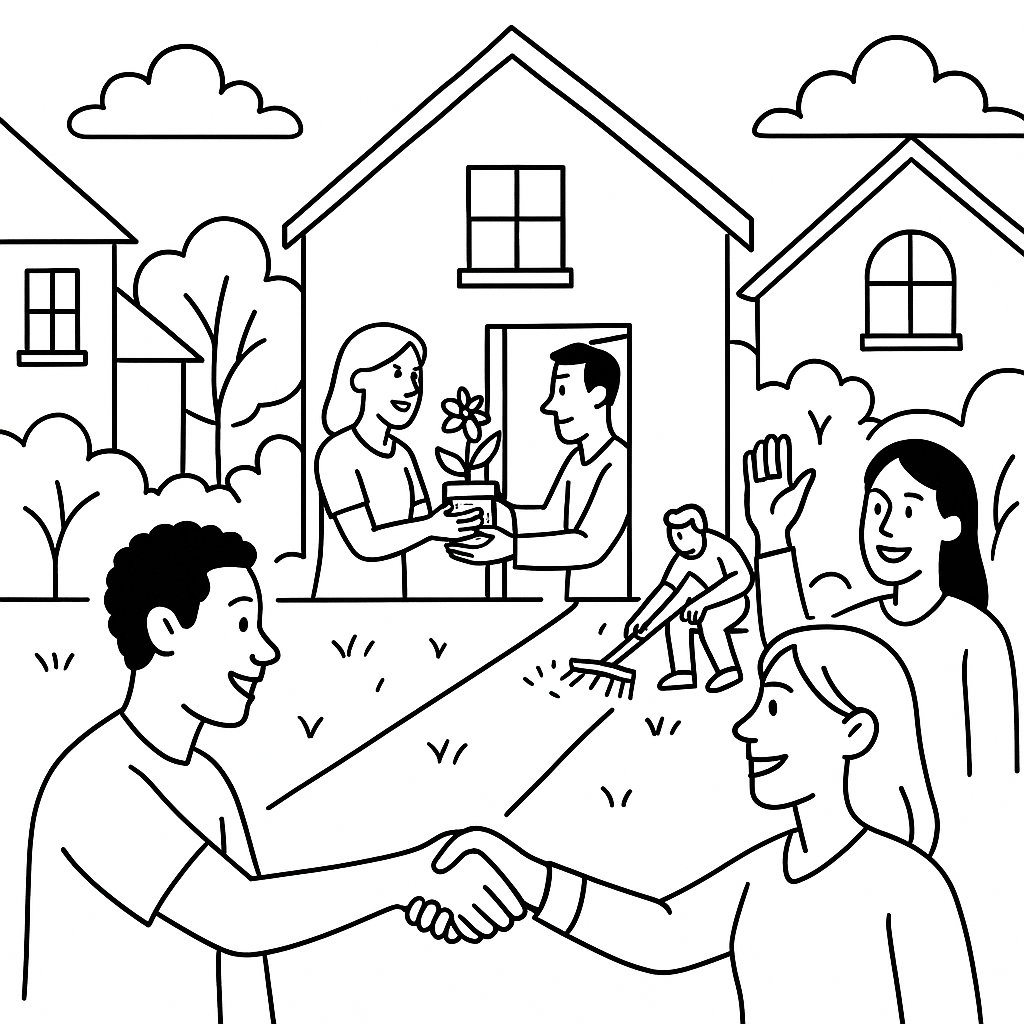
In Washington, D.C., neighbors hold veto power more than most developers realize. A hostile neighbor can halt your project, delay permits, rally opposition, or turn a simple renovation into a public battle. I've lived it: stop-work orders, ANC hearings packed with angry residents, months of delays. All because I showed up with blueprints before I showed up as a person. The truth? Most development opposition isn't about your project. It's about fear of the unknown and feeling unheard. The best developers I know don't just build buildings. They build relationships first. They understand that winning over a neighborhood isn't manipulation; it's showing respect, sharing your vision, and proving you're invested in the community's future, not just your profit margin. Here's how to become the developer your neighborhood actually wants to work with: 1. Introduce Yourself Before You Need Something Don't wait until you need a zoning variance to knock on doors. Show up early — before plans are finalized, before the bulldozers arrive, before anyone has a reason to worry.  How to do it right: Go door-to-door within a block. Introduce yourself by name, not by company Keep it casual: "Hi, I'm Sarah. I just purchased the property at 123 Main Street and wanted to introduce myself before we get started." Ask about them: How long have they lived here? What do they love about the neighborhood? Leave your card and say, "I'd love to grab coffee and hear your thoughts sometime." Why it works: People are far more receptive when you approach them as a neighbor, not a developer with an agenda. 2. Show Up With Food (Seriously) Breaking bread together is one of humanity's oldest trust-building rituals. Use it. Ideas: Bring donuts or bagels when you introduce yourself Host a casual "meet the project" coffee hour on a Saturday morning Drop off cookies during the holidays with a handwritten note Invite immediate neighbors to a casual dinner at a local restaurant (your treat) Why it works: Food disarms people. It signals generosity, not greed. It transforms you from "that developer" into "that nice guy who brought us pastries." 3. Have Short, Recurring Conversations Don't info-dump your entire vision in one 45-minute monologue. Build the relationship through frequent, brief check-ins. The rhythm: Week 1: Quick introduction (5 minutes) Week 2-3: Follow-up about their concerns or interests (10 minutes) Month 1: Share preliminary concepts, ask for input (15 minutes) Ongoing: Regular updates as the project progresses What to talk about: Their history in the neighborhood What they hope doesn't change What improvements they'd love to see How construction might impact their daily life (and how you'll mitigate it) Why it works: Frequent, low-pressure touchpoints keep you top-of-mind and demonstrate ongoing commitment. People feel heard, not steamrolled. 4. Share Your Vision — Show Them What Excites You People resist what they don't understand. Bring them into your vision before it's set in stone. How to share effectively: Use visuals: sketches, renderings, mood boards — not just technical drawings Talk about the why: "I fell in love with this block because of the oak trees and the corner store. I want to honor that." Be specific about community benefits: "We're adding 4 affordable units," "The ground floor will be a café for neighbors," "We're preserving the historic facade." Show, don't tell: Walk them through similar projects you've done. Introduce them to happy neighbors from past developments. The magic question: "If you were designing this, what would matter most to you?" Why it works: When people feel like collaborators instead of victims, they become champions. Their fingerprints on your project = their investment in its success. 5. Be Radically Transparent About Disruption Construction sucks. Don't sugarcoat it. But do take responsibility for making it suck less. Proactive communication: "We'll be doing demolition July 10-15. It'll be loud from 8am-4pm. Here's my cell if it's unbearable." "We're blocking the alley next Tuesday for a delivery. I'll leave notices and make sure trash pickup isn't affected." "Our crew will park on the next block to avoid taking your spots." Follow through: Actually answer your phone Deliver on promises (early work hours, clean job sites, etc.) Send weekly text updates to immediate neighbors Why it works: Predictability reduces anxiety. When people know what to expect and see you managing impacts, they give you grace. 6. Celebrate Shared Progress Don't disappear after breaking ground. Bring neighbors along for the journey. Ways to celebrate: Host a "topping out" party when framing is complete Invite neighbors to a hard-hat tour before drywall goes up Throw an open house before the first residents move in Share before-and-after photos with the people who watched it happen Why it works: When neighbors feel pride in "their" project, they defend it. They brag about it. They become your best advocates. The Good Developer Pledge Here's my commitment — and maybe you'll take it with me: I will show up as a neighbor, not just a developer. I will listen more than I pitch. I will be transparent about challenges and generous with updates. I will honor this community's past while building its future. I will remember that behind every door is a person who loves this place — just like I do. Because the best developments aren't just built with capital and permits. They're built with trust, respect, and the understanding that you're not developing in a neighborhood — you're developing with one. When you invest in people before you invest in properties, everyone wins. The neighborhood gets a developer who cares. You get a community that supports your vision. And together, you build something worth celebrating. Let's stop seeing neighbors as obstacles and start seeing them as partners. That's how great neighborhoods — and great developments — are made.
More Posts